

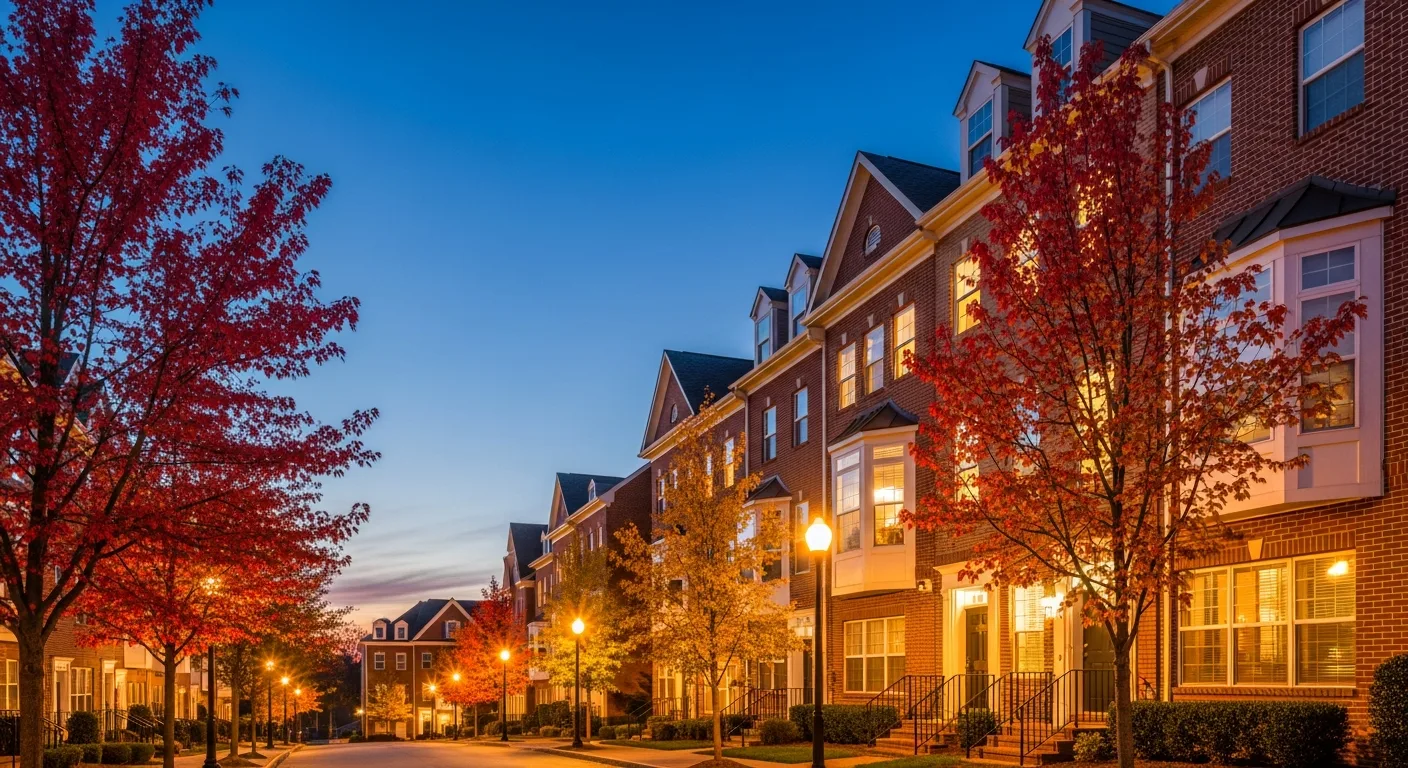
Active-adult communities in Monroe Township, New Jersey are among the largest 55+ developments in the state, featuring clubhouse-scale amenities, private roads, and hundreds of homes per association. Boards here manage operations closer to a small municipality than a typical HOA. Homestead Management Services, Inc., a family-owned New Jersey firm, helps Monroe Township boards run these communities smoothly.
Located in Middlesex County in Central New Jersey, Monroe Township has become a magnet for retirees drawn to its established 55+ neighborhoods. The scale of these communities makes professional governance, disciplined finances, and reliable amenity operations essential.
Key facts:
- Monroe Township is in Middlesex County, part of Central New Jersey.
- Large active-adult associations often operate full clubhouses, multiple pools, fitness centers, and private roadways requiring reserve funding.
- New Jersey's Structural Integrity and Reserve Study law (P.L.2023, c.214, signed January 2024) added reserve study and funding requirements for covered associations.
Why is Monroe Township a 55+ hub?
Monroe Township became a 55+ hub because developers built large master-planned active-adult communities on available Central New Jersey land with convenient access to shopping, healthcare, and highways. These communities attract residents seeking amenity-rich, low-maintenance living. Their size means associations carry substantial budgets, extensive common areas, and complex vendor relationships. Boards need governance systems that match that scale, which is where experienced management adds the most value.
How should a Monroe Township board structure governance?
A Monroe Township board should follow New Jersey's Radburn law (P.L.2017, c.106) for elections and open meetings, maintain clear committee structures for amenities and finance, and document decisions transparently. With hundreds of engaged residents, procedural discipline prevents disputes and keeps meetings productive. Committees for the clubhouse, landscaping, and social programming distribute the workload and tap resident expertise. An experienced firm supports boards with meeting logistics, notices, and recordkeeping that meet state standards.
What does clubhouse-scale operations require?
Clubhouse-scale operations require staffing, scheduling, vendor coordination, and preventive maintenance across pools, fitness rooms, event spaces, and grounds. A large clubhouse functions like a small recreation business, with programming calendars, room reservations, and safety compliance. Boards should ensure their manager coordinates contractors, tracks maintenance schedules, and keeps amenities open reliably. Consistent property management turns a busy clubhouse from a stress point into a community asset.
How do reserve planning and finances work at this scale?
Reserve planning is critical because Monroe Township communities have expensive shared assets that age on similar timelines — clubhouse roofs, pool systems, and private roads. Under P.L.2023, c.214, covered associations must complete reserve studies and fund reserves accordingly. A large association's budget must balance daily operations against long-term replacement costs so assessments stay stable. A strong management partner provides financial management that keeps reserves funded and budgets transparent for residents.
What should boards prioritize in their first year?
New or transitioning boards should focus on a clear sequence:
- Confirm governing documents and any remaining PREDFDA developer-transition obligations (N.J.S.A. 45:22A-21 et seq.).
- Verify Radburn-compliant election and meeting procedures are in place.
- Commission or update a reserve study covering all major amenities.
- Review clubhouse operations, staffing, and vendor contracts.
- Confirm HOPA 80/20 age-verification records are current.
- Publish a transparent annual budget and communication plan.
Boards can explore how the management company serves Monroe Township and the broader Central New Jersey region.
How do committees strengthen a large 55+ community?
Committees strengthen a large Monroe Township community by distributing workload and drawing on residents' professional backgrounds. Finance, clubhouse, landscaping, social, and communications committees let engaged retirees contribute expertise while keeping the board focused on policy and oversight. Clear committee charters define scope and reporting so efforts stay coordinated rather than overlapping. In communities with hundreds of homes, this structure turns resident energy into productive support instead of friction. Homestead Management Services helps boards organize committees and channel volunteer talent effectively.
What role does transparent communication play here?
Transparent communication is essential in a large active-adult community where residents are present daily and watch decisions closely. Publishing meeting notices, agendas, budgets, and minutes in line with the Radburn law builds trust and reduces disputes. Multiple channels — printed newsletters, email, and a resident portal — ensure every homeowner, regardless of comfort with technology, stays informed. When residents understand why assessments or projects are necessary, cooperation rises and conflict falls. Consistent communication is one of the clearest signs of a well-run Monroe Township association.
How do amenities shape resident satisfaction in Monroe Township?
Amenities shape resident satisfaction more in Monroe Township's active-adult communities than in almost any other setting because residents use clubhouses, pools, fitness centers, and walking paths daily. A reliably open, well-maintained clubhouse becomes the social center of the community, while deferred repairs or closed amenities generate immediate frustration. Boards should treat amenity uptime, cleanliness, and programming as core services, coordinating vendors and staff so nothing lapses seasonally. Homestead Management Services helps boards keep amenities dependable so residents experience the lifestyle they bought into. Consistent amenity operations also protect resale value, since prospective buyers judge a community largely by its shared spaces.
Frequently Asked Questions
Q: What county is Monroe Township in? Monroe Township is in Middlesex County, within Central New Jersey. It sits within one of the state's most active retirement corridors.
Q: Why do Monroe Township 55+ communities need professional management? Their large size, extensive amenities, private roads, and engaged resident base create municipal-scale operations. Professional management brings the staffing, financial discipline, and compliance knowledge these communities require.
Q: Does the reserve study law apply to active-adult associations? Yes. New Jersey's Structural Integrity and Reserve Study law (P.L.2023, c.214) applies to covered associations, and large 55+ communities with major shared assets typically fall within its scope.
Q: How do clubhouse operations differ from a small HOA? A clubhouse-scale operation includes programming, room scheduling, fitness and pool management, and safety compliance. It functions more like a recreation center than a simple common area.
Q: What is PREDFDA and why does it matter here? PREDFDA (N.J.S.A. 45:22A-21 et seq.) governs planned real estate developments, including developer registration and transition to owner control. Newer Monroe Township communities may still be completing transition obligations.
Q: How can a new board get organized quickly? Start with governing-document review, confirm Radburn-compliant procedures, update the reserve study, and audit clubhouse operations. A management partner can lead this sequence efficiently.
Partner with a firm that knows Central NJ 55+ living
Monroe Township's active-adult communities deserve management that understands their scale. Homestead Management Services helps boards govern, budget, and operate confidently — request a proposal at /request-proposal.
Sources & Further Reading
- New Jersey Department of Community Affairs — https://www.nj.gov/dca/
- New Jersey Legislature (statutes and public laws) — https://www.njleg.state.nj.us/
- U.S. Census Bureau (community demographics) — https://www.census.gov/
- Community Associations Institute — https://www.caionline.org/
Field-tested advice from Homestead Management Services' community managers serving condominium, townhome, and homeowner associations across New Jersey.
More from this team